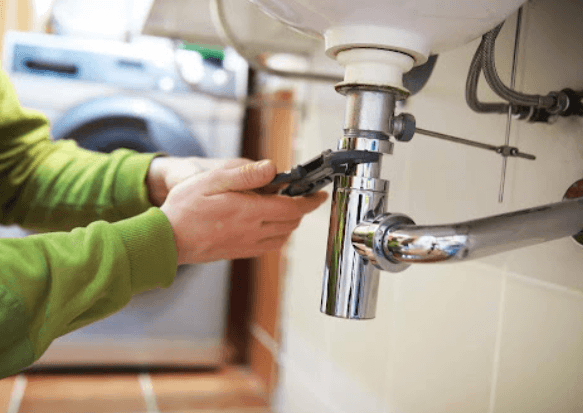

A home plumbing system moves clean water from the exterior source through a network of main and branch lines to fixtures. Waste and used water travel by gravity or assisted drainage to sewer or septic systems, aided by properly placed traps and vents. Pressure, temperature, and venting govern flow and prevent backpressure or gas in the lines. Practical troubleshooting covers common, minor issues first, while complex leaks or venting failures require code-compliant professional help to prevent bigger problems. The rest of the system reveals how small changes can ripple through every fixture.
How Water Gets Into Your Home
Water enters a house through a connected network of pipes supplied by an external source, typically a municipal distribution system or a private well. The water supply then travels through main lines to branch lines, controlled by valves and pressure regulators. Pipe materials influence durability, compatibility, and cost, while materials and joints determine longevity and maintenance needs for consistent, reliable service.
How Domestic Drains Move Waste Away
Domestic drains form a network designed to remove waste by gravity and controlled flow from sinks, toilets, showers, and appliances toward the building’s sewer or septic system.
This pathway relies on correctly sized piping, slope, and joints to maintain consistent travel and prevent backflow.
drainage chemistry governs cleanliness, while waste odors signal seal failure or venting issues requiring prompt attention.
The Role of Pressure, Temperature, and Venting
Pressure, temperature, and venting collectively govern flow behavior and odor control in a plumbing system.
The discussion centers on pressure dynamics, which drive water and air movement through pipes, fixtures, and traps under varying loads.
Temperature influences viscosity and condensate behavior, while venting basics prevent siphon and backpressure issues.
System clarity hinges on predictable, disciplined, and measurable pressure responses.
Troubleshooting Your Everyday Plumbing: Quick Fixes and When to Call a Pro
When plumbing behavior deviates from expected, practical fixes and diagnostic steps become the first line of defense before professional intervention. The guide prioritizes systematic assessment: check fixtures for drain clogs, inspect traps, and test for water hammer.
Distinguish temporary remedies from permanent solutions.
Recognize signs of pipe leaks, pressure anomalies, and pursue calibrated, code-compliant repairs or professional service when necessary.
See also: Bull and Bear Markets in Crypto Explained
Frequently Asked Questions
What Causes Water Hammer in Residential Pipes and How to Prevent It?
Water hammer occurs from rapid valve closure causing pressure surge; prevention relies on controlling flow, using slow-closing valves, air chambers, or water hammer arrestors. It’s essential to understand water hammer mechanics and pipe expansion dynamics for targeted fixes.
How Do Water Meters Measure Usage and Detect Leaks?
Water meters measure volumetric flow, translating movement into numeric usage; leak detection relies on continuous, unexplained consumption patterns. Water meters, paired with sensors, track daily and minute changes, ensuring system transparency—ironically guarding freedom by preventing waste and concealed leaks.
Why Do Some Pipes Make Creaking or Banging Noises Intermittently?
Pipes creak intermittently due to thermal expansion, water hammer, or loose supports; addressing with pipe insulation and vibration dampening reduces movement. System-focused, practical guidance suggests securing lines, aligning supports, and using compliant insulative wraps to dampen noise.
What Is Backflow and How Is It Prevented in Homes?
Backflow is the undesired reversal of water flow, contaminating clean supply. Backflow prevention devices protect residential plumbing by maintaining pressure and blocking reverse flow, ensuring safe drinking water. These systems rely on check valves, air gaps, and proper installation.
How Do You Recognize Sewer Line Blockages Beyond Clogs?
Blocked pipes may indicate sewer line issues; a thorough sewer inspection reveals depth, flow, and joint integrity, enabling precise diagnostics. The approach emphasizes practical, system-focused steps to prevent backups and support freedom from unexpected plumbing constraints.
Conclusion
In the end, the home’s plumbing runs on pure predictability—until it doesn’t. Water behaves, vents sigh contentedly, and traps seal like clockwork, until a rogue clog or a pressure spike reveals the system’s fragile elegance. Ironically, all that engineering aims for quiet reliability, yet a single faulty valve or misrouted vent can turn routine chores into emergency theater. The audience? Residents discovering the real drama behind every drip, drip, drip jousting with a pro sooner than later.

 By
By

 By
By